At -6°F you're scraping your windshield while your neighbor drives off hands in his pockets
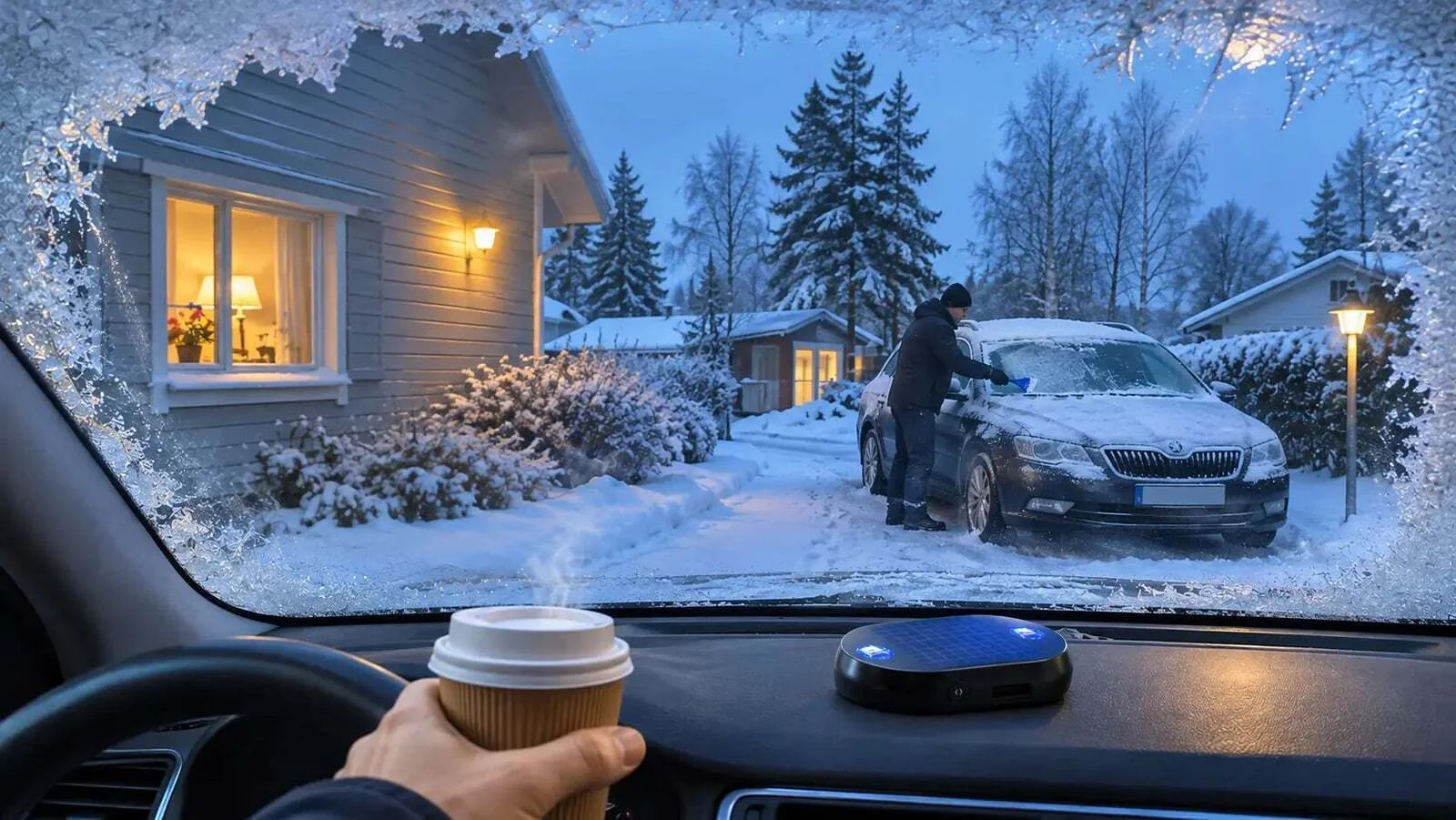
You've seen it. He walks out, gets in his car and drives away. No scraper, no gloves. His windshield is perfectly clear.
You're still standing there, fingers frozen around a plastic handle. And the same question every single morning: how is that even possible?
Linda Harper asked herself that for 41 years.
It's 6:47 a.m. on a Tuesday in January
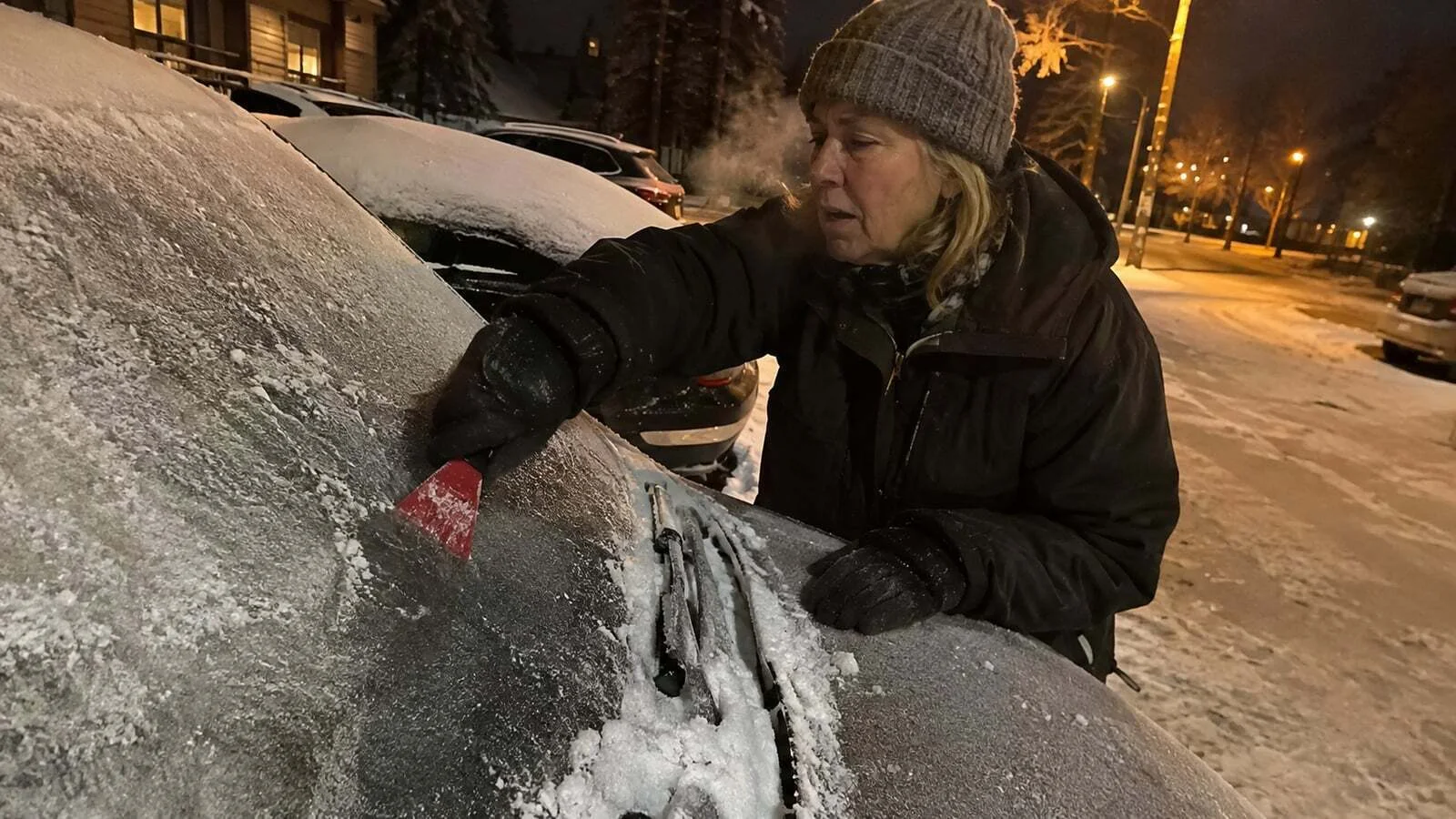
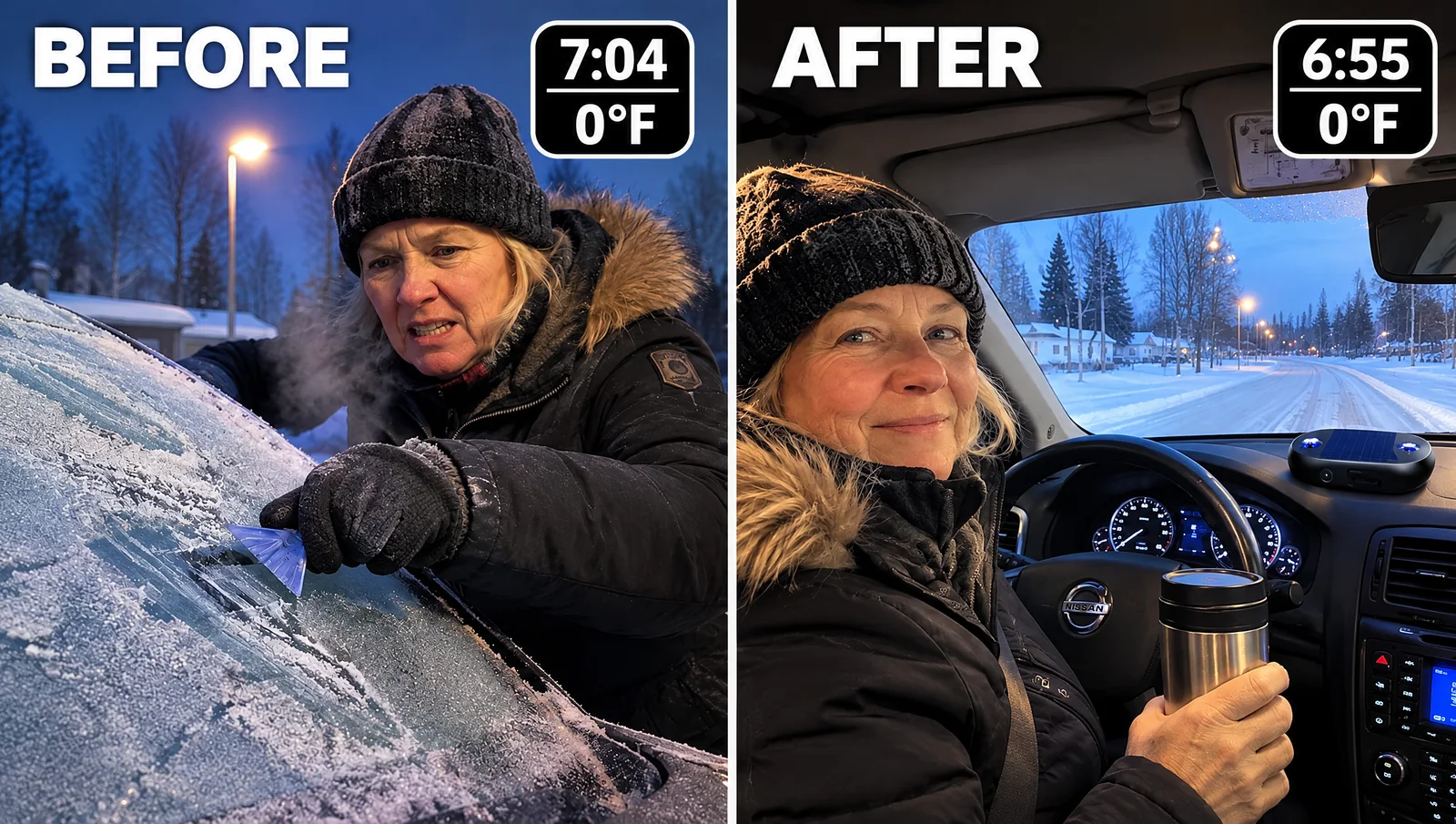
Linda Harper, 63, of Minneapolis, is standing in her driveway at 0°F. Gloves pulled on. Ice scraper in her fist. She's done this every morning for 41 years.
The windshield is frozen solid. Not a thin layer of frost. Thick, hard ice that's been building up since 10 o'clock last night.
She starts scraping. Left to right. Top to bottom. The ice won't budge.
Her fingers go numb through her gloves in under two minutes. Her breath hangs in the air. She checks the time on her phone with a frozen hand.
7:04. Late again.
Here's what Linda didn't know that morning: 2,500 miles away, an engineer in Alaska had already solved her problem. He just hadn't told her about it yet.
What nobody tells you about the ice scraper
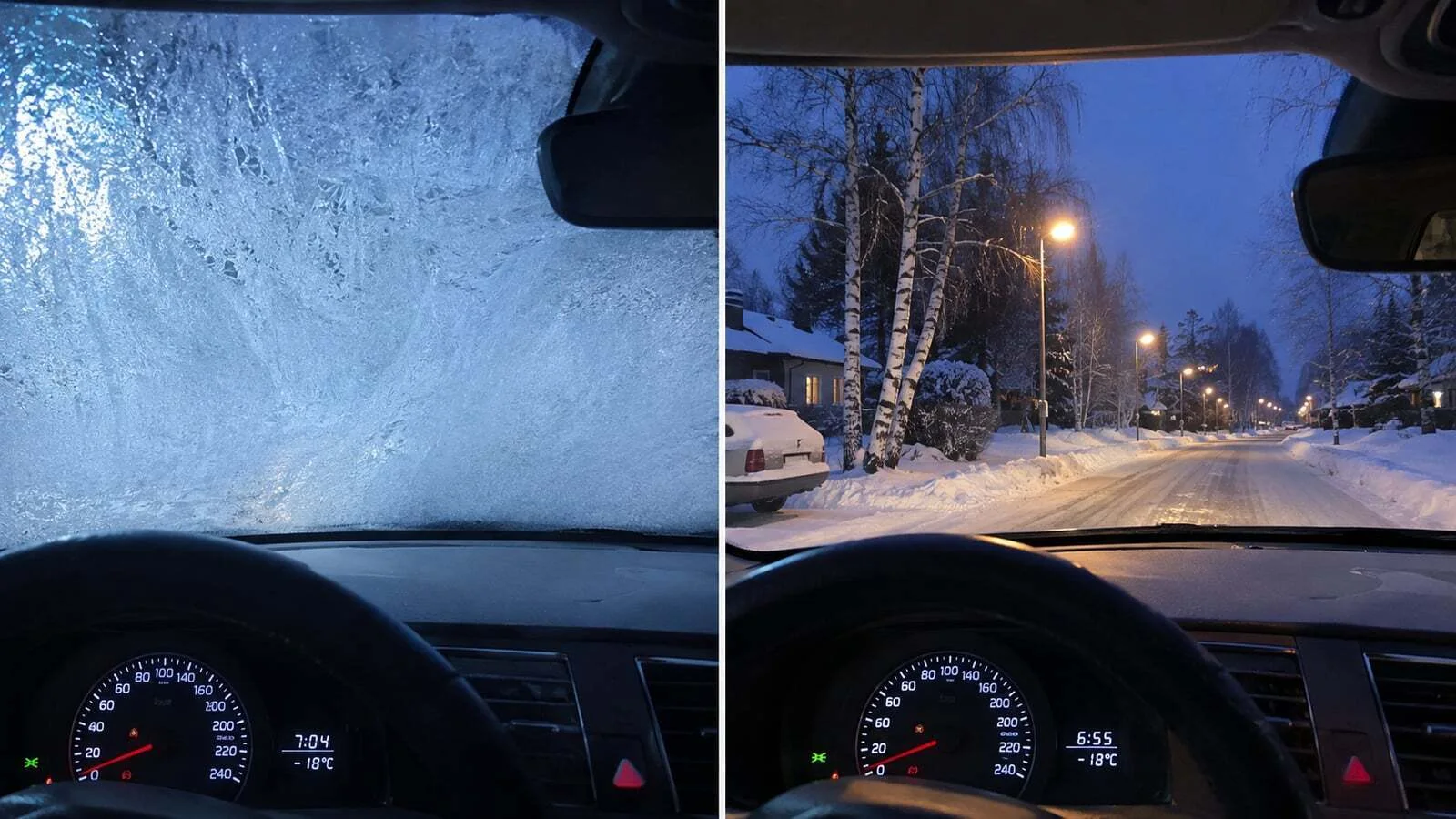
It's not just annoying. It's dangerous.
Across the United States, thousands of drivers pull out every winter with a half-cleared windshield. Not fully clear. Just enough to see the road straight ahead.
No side view. No blind spots. No cyclist coming from the left.
You're in a hurry. It's freezing. Just get it done.
And there's something else nobody talks about.
The icy ground around your car. The patch that formed overnight right where you stand to scrape.
Linda has slipped twice in ten years. The second time, she caught herself on the side mirror at the very last second.
And then there's the windshield itself.
Replacing a windshield in the US costs between $340 and $680 depending on the model. The tiny scratches from your scraper add up winter after winter. At night, they create glare from oncoming headlights. They weaken the glass.
And then one fine morning, a little pebble is all it takes.
41 years of scraping. 41 winters. Hundreds of stolen mornings before the day has even started.
Linda was one of the 28 million American drivers who go through the exact same thing every morning from November to April. And not one of them had ever had a real alternative.
Why nobody had solved this before
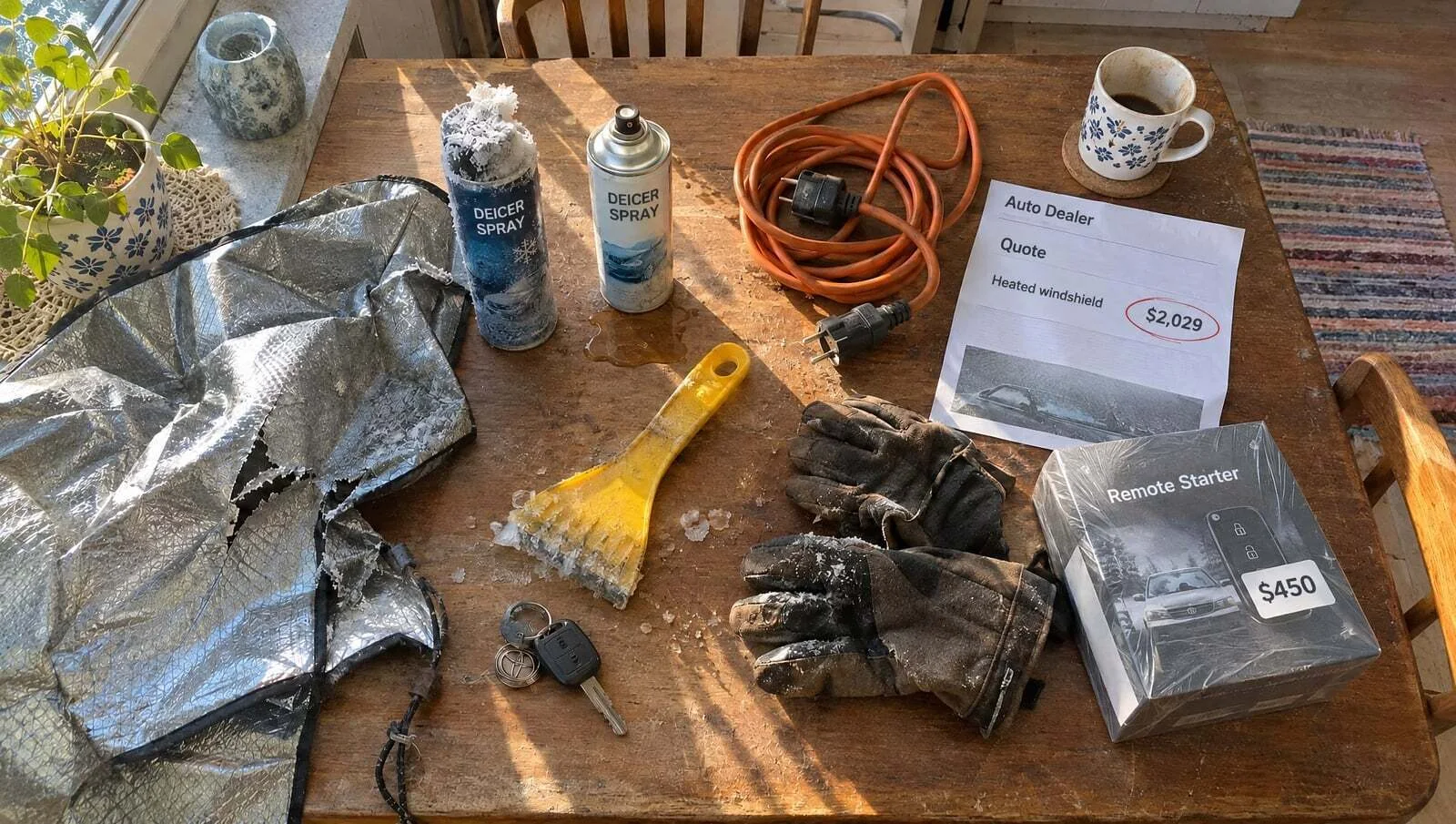
Sure, there are solutions out there. That's what you've been told for years.
De-icer sprays. Windshield covers. Engine block heaters, which anyone in the northern states knows well. Heated windshields for $2,000. Remote starters that cost $450 to install.
So why was Linda still standing there at 6:47 a.m. with a scraper in her hand?
Because none of them actually solves the problem.
De-icer spray works down to about 14°F. Any colder and it freezes before it can do its job. And it leaves an oily film on the glass that blurs your vision at night.
A windshield cover? It works right up until the wind rips it off at 3 a.m. Or until you forget to put it on the night before.
A block heater warms the engine. Not the glass. Not the side windows. Not the rear window.
A heated windshield can't be added to a car that didn't come with one. And for the 94 percent of American drivers whose car doesn't have it as standard, the only option is buying a new car.
Nobody in the auto industry has ever seriously tried to fix this problem. Because an ice scraper costs $3. And as long as people keep buying them, there's no reason to look for anything better.
That's exactly what Erik Halvorsen realized the day everything changed.
The Anchorage engineer who'd had enough
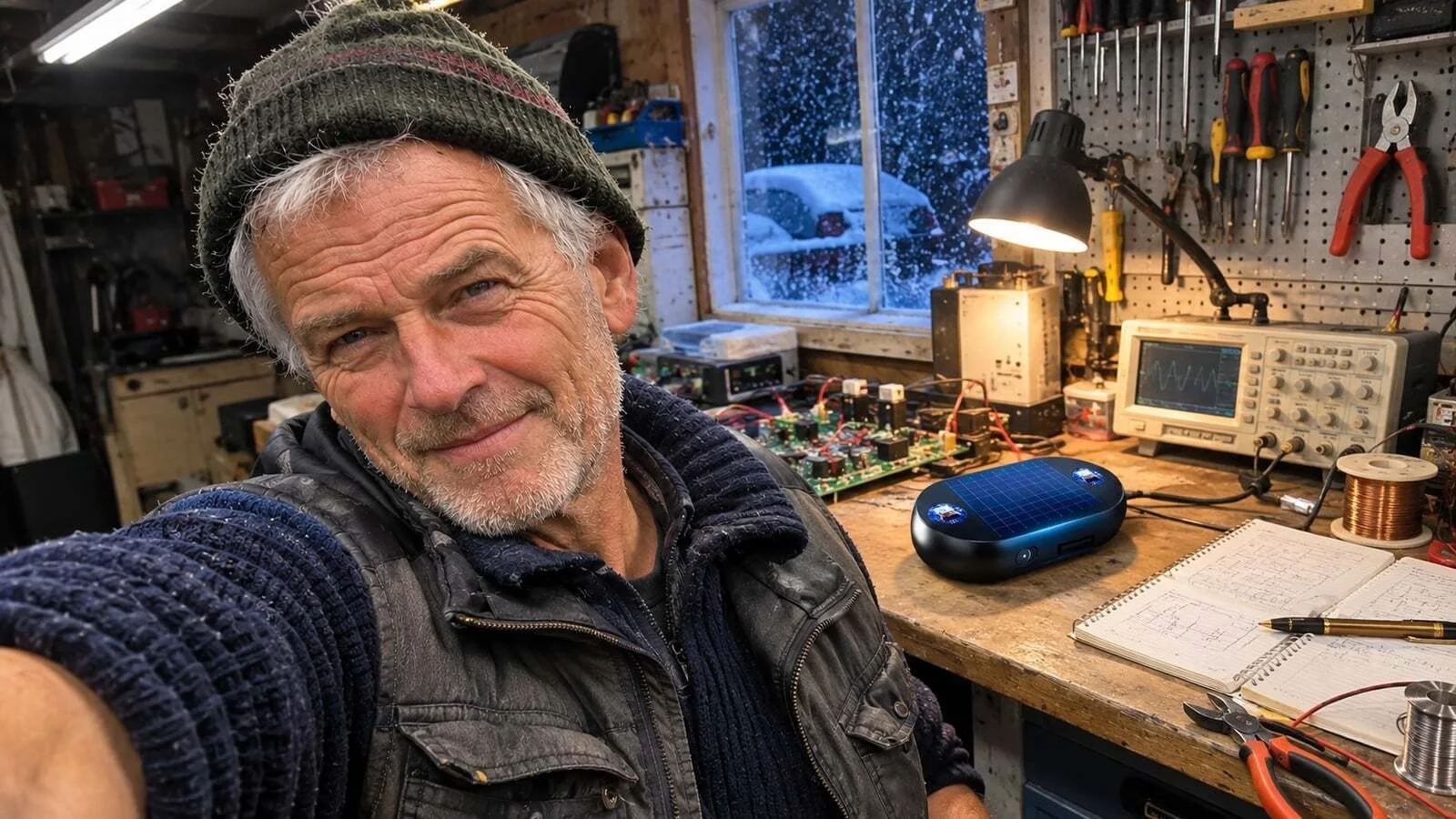
Erik Halvorsen is not a man who complains.
This 58-year-old materials engineer from Anchorage has spent 27 years on one very specific problem: how metal structures and glass surfaces react to the extreme temperature swings of the Arctic.
Oil platforms. Bridges. Structures across Alaska's far north exposed to brutal deep freezes.
His job was to understand how cold attacks materials. And above all, how to fight it without destroying them.
One February morning in 2021, Erik steps out of his home in Anchorage into -9°F. He has a flight to catch. His windshield is buried under nearly an inch of ice.
He scrapes. Like everyone else. Like he's done for 30 years.
And halfway through, he stops.
He misses his flight that morning. But when he gets home, he opens a new notebook. And at the top of the first page, he writes one single sentence:
The breakthrough
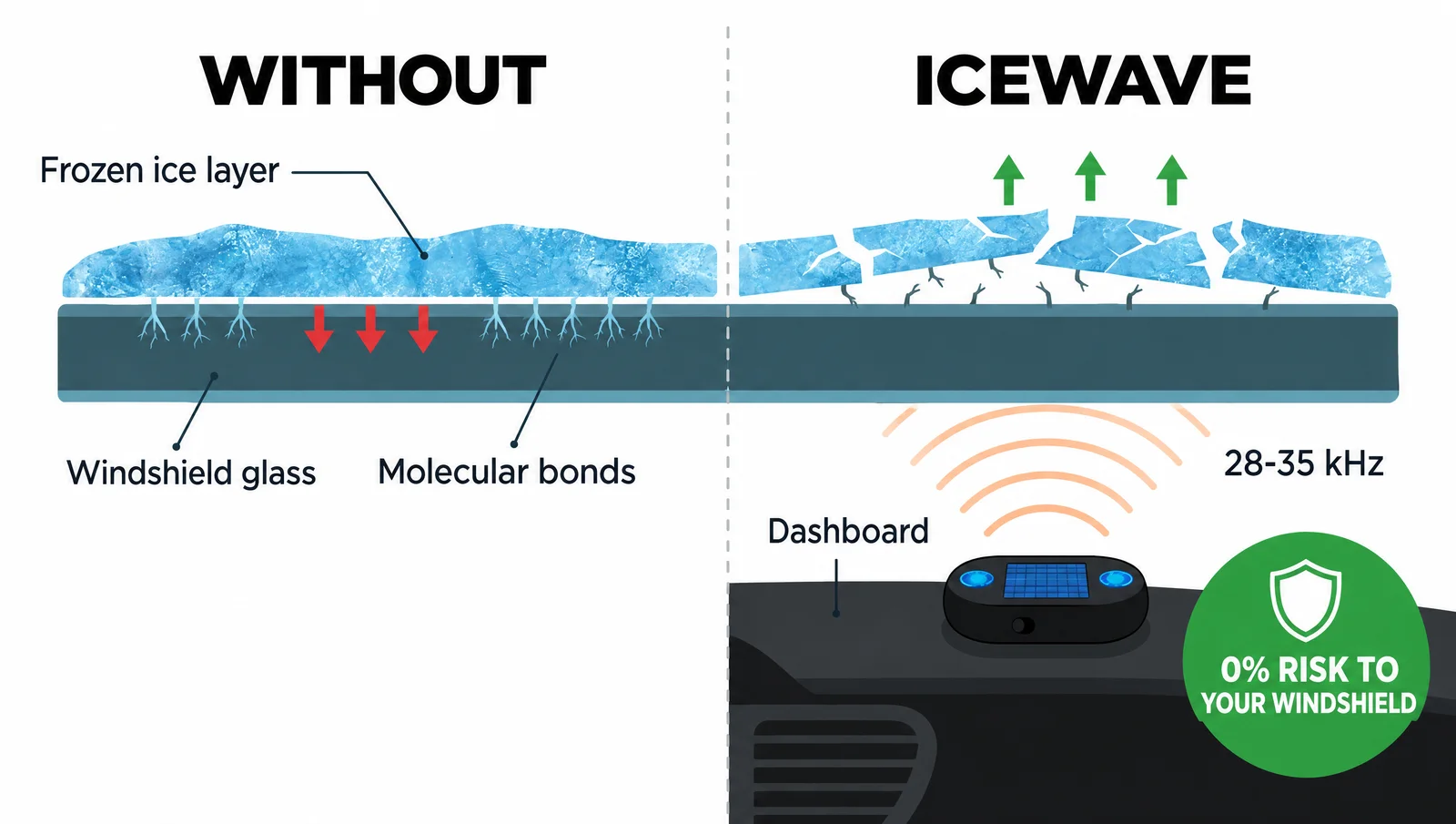
Erik spends the next few months in his garage in Anchorage. Not inventing anything new. Just shrinking down what he already knew.
For 27 years he'd studied how frost clings to the steel cables of Arctic bridges. Not on the surface. Deep down, at the molecular level.
Every ice crystal forms thousands of invisible micro-anchors into the material underneath. That's what makes frost so hard to remove. It isn't glued. It's latched on, point by point, like a microscopic strip of Velcro.
And every anchor has a weak spot.
Think of a crystal wine glass. Slide your finger along the rim and nothing happens. But find the right frequency, and the glass starts to vibrate.
The vibration doesn't come from outside. It's born inside the material itself. The molecules start moving together, harder and harder, until the structure gives way from within.
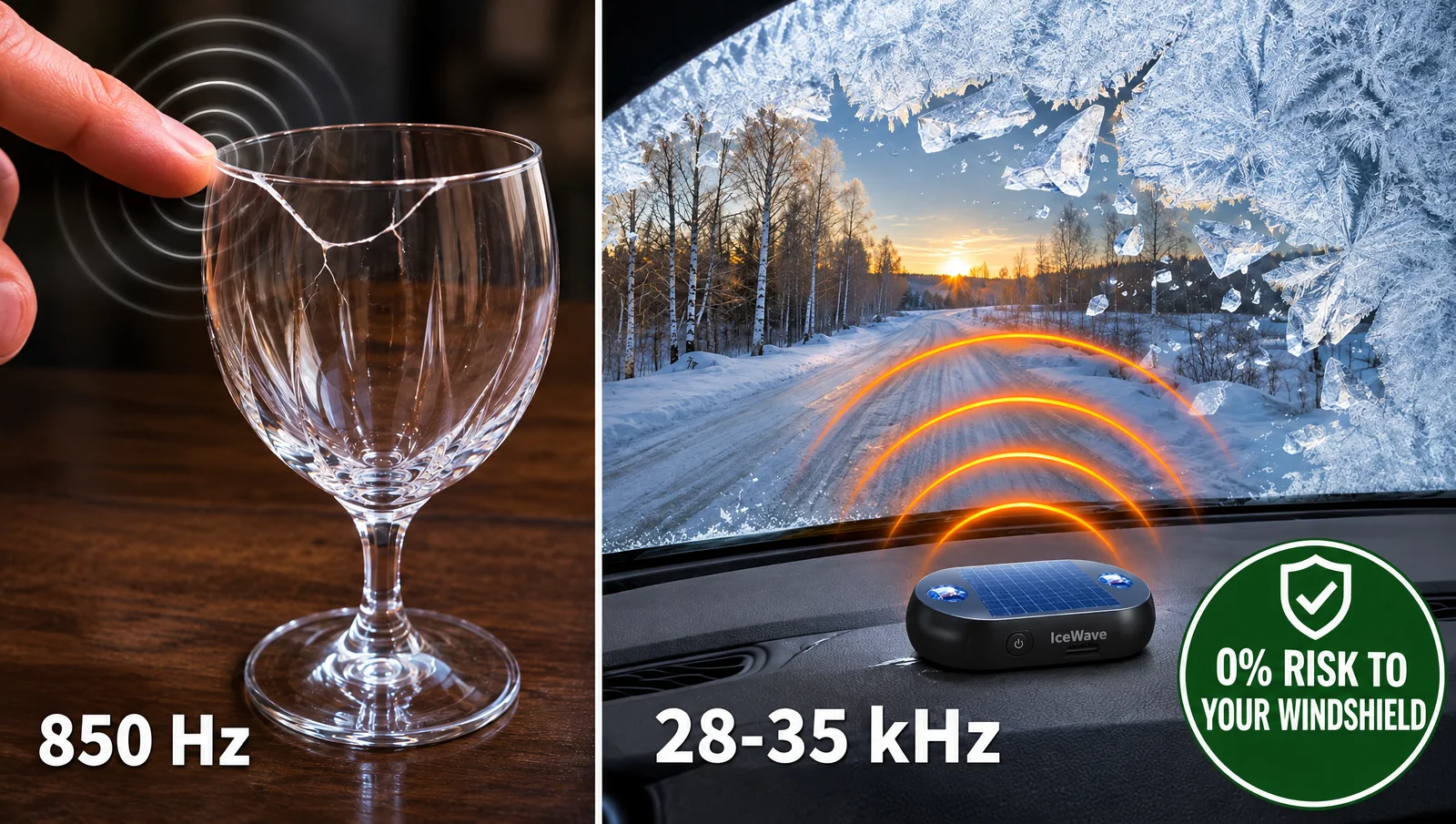
Ice on your windshield works exactly the same way.
It doesn't stick to the glass by accident. It holds on through a precise molecular bond between the ice crystals and the surface of the glass. And that bond, like every physical bond, has a frequency at which it breaks.
On Arctic bridges, Erik used 440-pound vibration generators to keep frost from building up on the cables. The principle had been proven years ago. The problem was that nobody had ever thought of applying it to a car.
And why would they? For Ford, Toyota or Chevrolet, a frozen windshield affects less than one percent of a vehicle's yearly use. No automaker is going to sink millions into a seasonal problem.
Especially when a $3 plastic scraper is sitting at every gas station.
But for the 28 million Americans who park outside, it isn't "a few weeks." It's six months. Every morning. No exceptions.
Erik knew the exact frequency. On bridge cables, the ice-to-steel bond breaks at around 40 kHz, an ultrasonic vibration well beyond what the human ear can hear.
On car glass, his lab tests showed the effective range sits between 28 and 35 kHz, depending on the thickness and curve of the windshield.
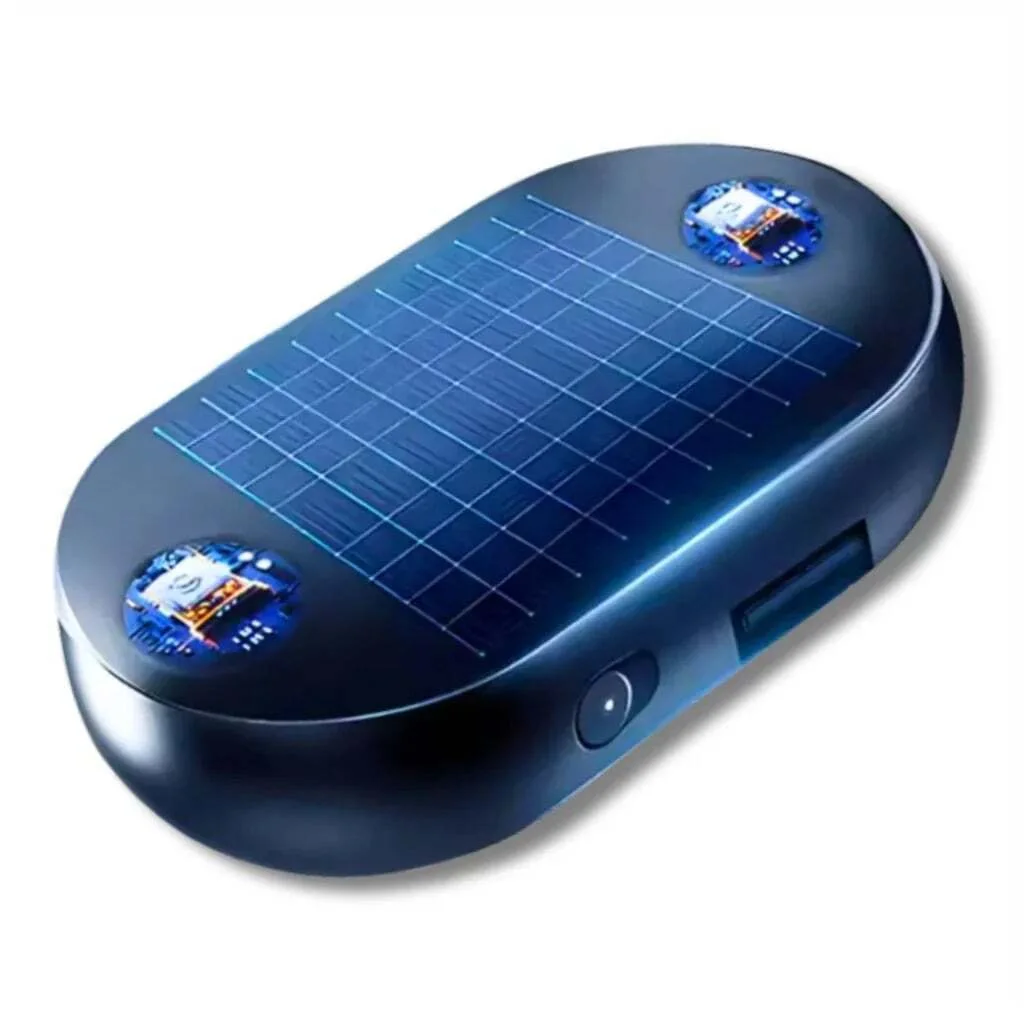
From a 440-pound industrial generator to a 6-ounce device that fits in the palm of your hand. It took 14 months and three prototypes.
The power is a thousandth of the original. But that's plenty: the goal isn't to break the ice. It's to stop ice crystals from anchoring to the glass overnight. A constant, invisible, silent vibration that keeps your windshield's surface hostile to frost.
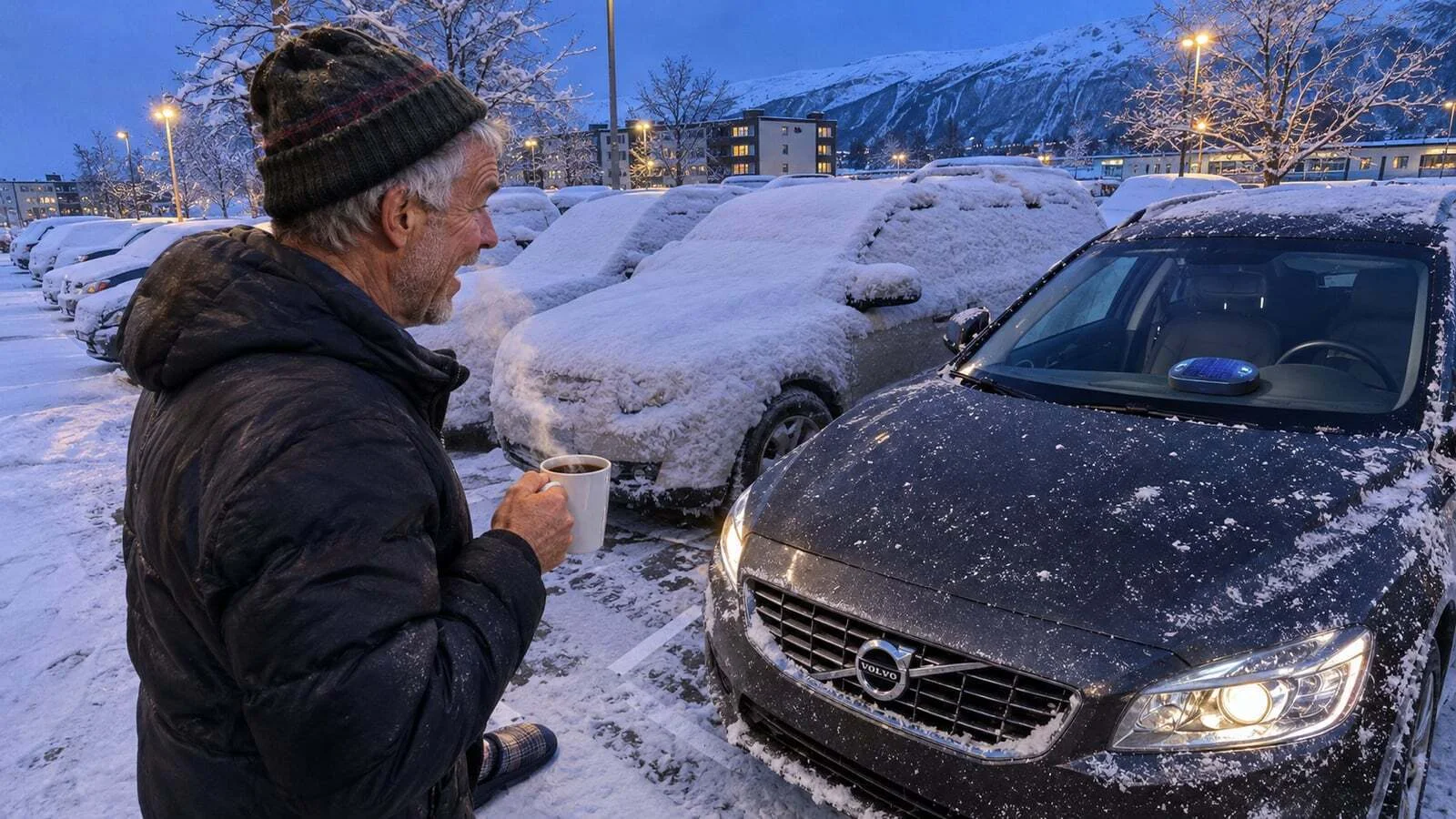
The third prototype goes on the dashboard of a Volvo parked outside at -2°F. Erik switches it on at 10 p.m., right before bed.
At 7 the next morning, he walks out with a cup of coffee in his hand. The windshield is clear. There's a little frost around the edges, but it isn't holding on anymore. It slides right off when he lays his hand on it.
What happened when the first American drivers tried it
In the winter of 2023, Erik reaches out to 47 drivers in Alaska and Minnesota.
Not engineers. Not professional testers. Regular people with a regular car parked outside. Nurses whose shift starts at 6 a.m. Retirees. Contractors who load their vans before sunrise.
He gives each of them a device. Asks them to use it for 8 weeks. And to write down what happens.
The results come in March.
43 of the 47 testers stopped using their ice scraper before the end of week two. Not because anyone asked them to. Because they simply didn't need it anymore.
Check availability and your discount here >>Fast shipping across the United States • Secure checkout • 90-day satisfaction guarantee
Who it's made for
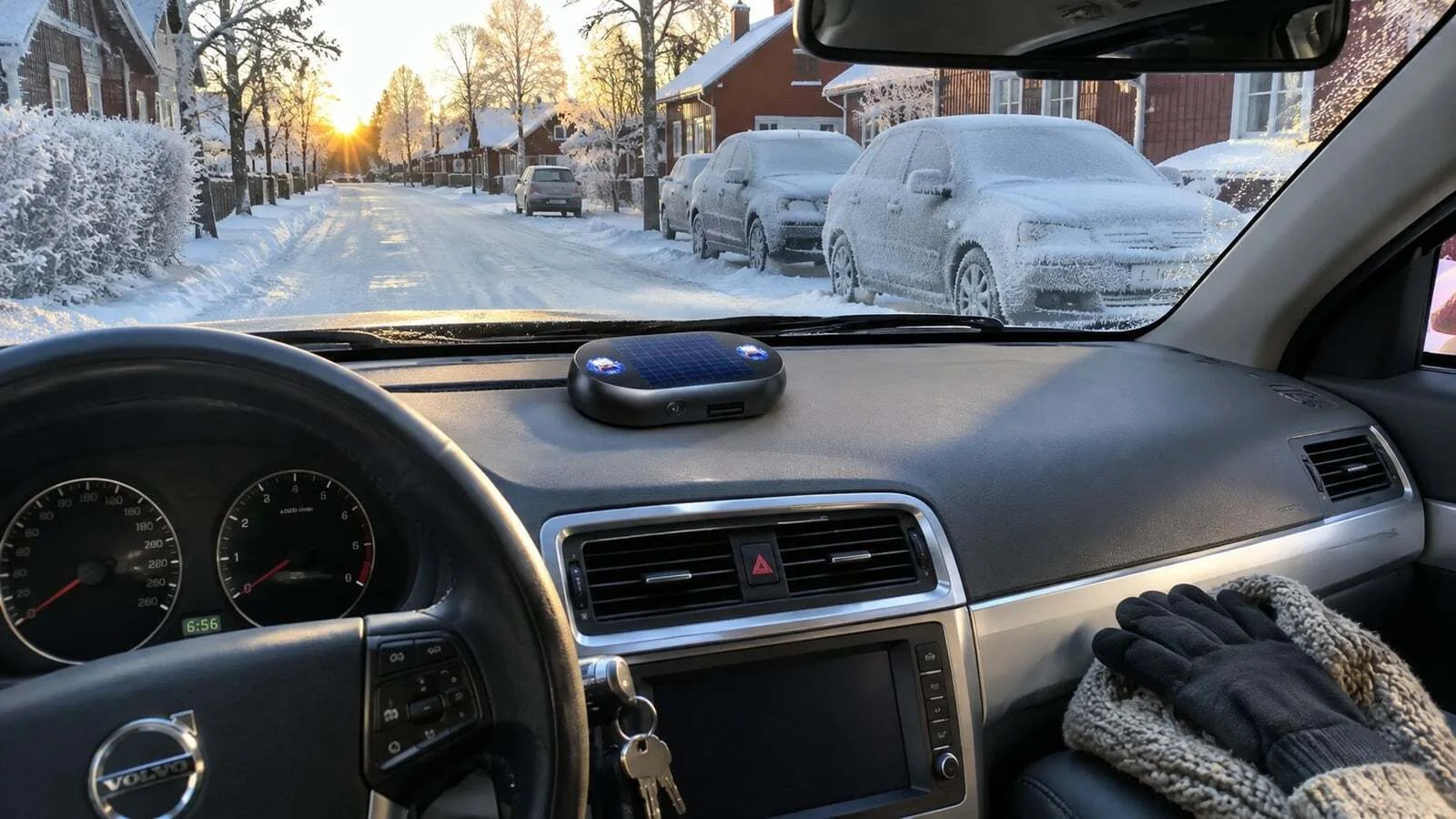
It's made for Linda, 63, who leaves for work at 7 a.m. and can't afford to lose ten minutes with a scraper at 0°F.
It's made for Carol, 71, whose arthritic hands make scraping harder every winter. Who puts off errands on the coldest mornings, because just thinking about thawing out the car wears her down before she's even opened the door.
It's made for parents who drop the kids at school at 8 a.m. and don't have a single minute to spare.
And it's made for anyone who's ever thought, even once: there has to be something better than this.
Now there is.
See if IceWave is still in stock >>Fast shipping across the United States • Secure checkout • 90-day satisfaction guarantee
Your questions, straight answers
Does it really work at -4°F?
That's exactly why Erik developed IceWave in Alaska and not in Miami. The prototypes were tested in real northern conditions, down to -13°F. The lab was a genuine Alaska winter, not a cold room in some office park.
Does it use a lot of power?
No. IceWave runs on a battery. It doesn't plug into an outlet and it doesn't draw anything from your car battery. One battery lasts the whole winter.
Will it damage the glass?
Quite the opposite of a scraper. IceWave never touches the glass. No scratching, no heat, no chemicals. The vibration travels through the air, not across the surface. Your windshield stays intact.
Does it work on the side and rear windows?
IceWave works on every glass surface in your car, radiating out from the dashboard. Results are best on the windshield and clearly visible on the other windows, depending on the size of your vehicle.
How fast will I see a difference?
Most of the time, the very first night. Some users report a partial result the first night and the full effect by the second, depending on humidity.
Does it completely replace my ice scraper?
In 9 cases out of 10, yes. In extreme conditions or after heavy snowfall, a quick 30-second swipe is all it takes to clear what's left. Not 10 minutes of scraping. 30 seconds.
Check availability before this batch sells out >>Fast shipping across the United States • Secure checkout • 90-day satisfaction guarantee
What American users are saying
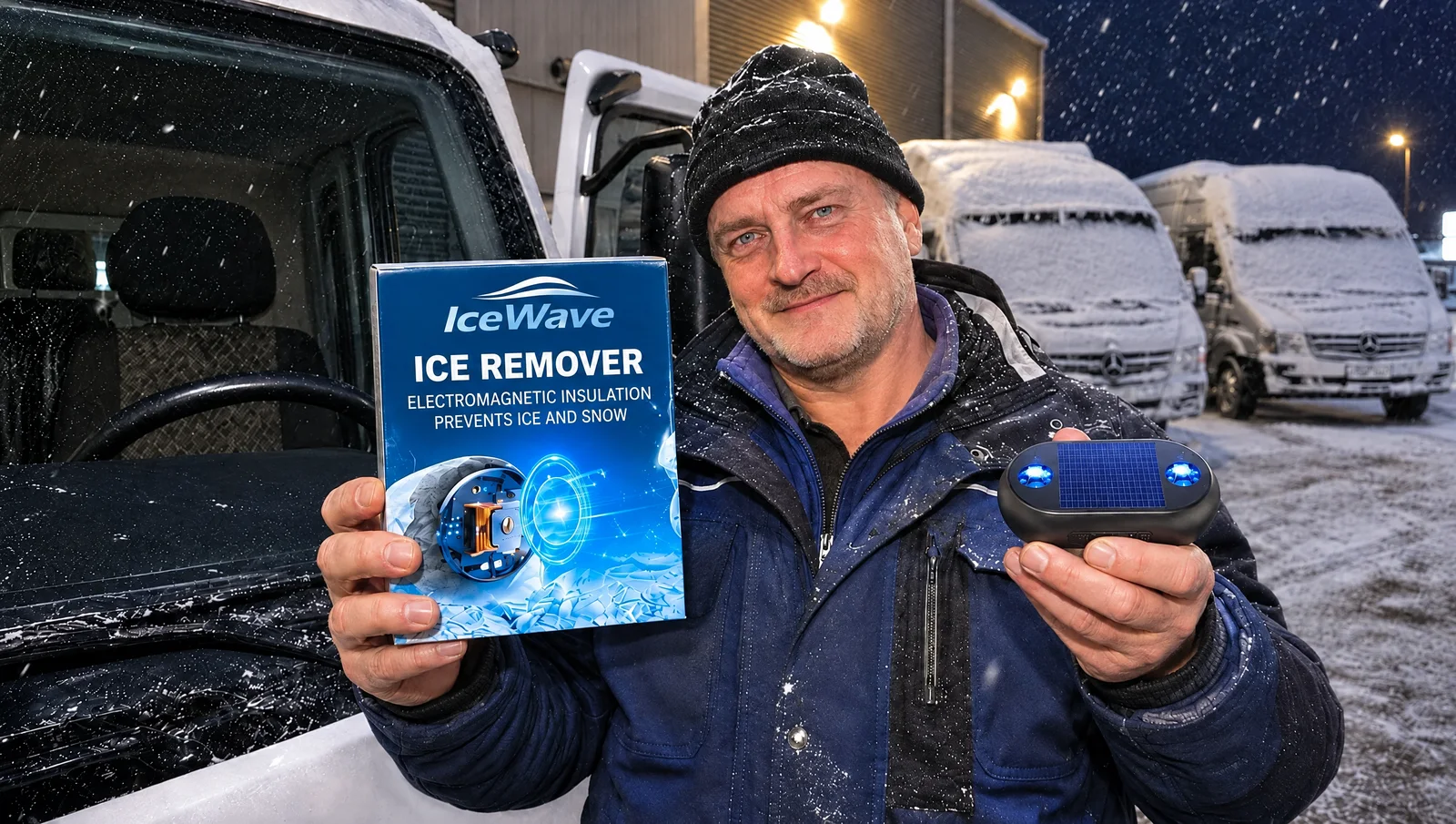

"Last winter I almost went down while scraping my windshield. The ground was solid ice under my feet and I hadn't even noticed. With IceWave, I don't have to get out of the car before I leave anymore. I bought peace of mind, not a gadget."
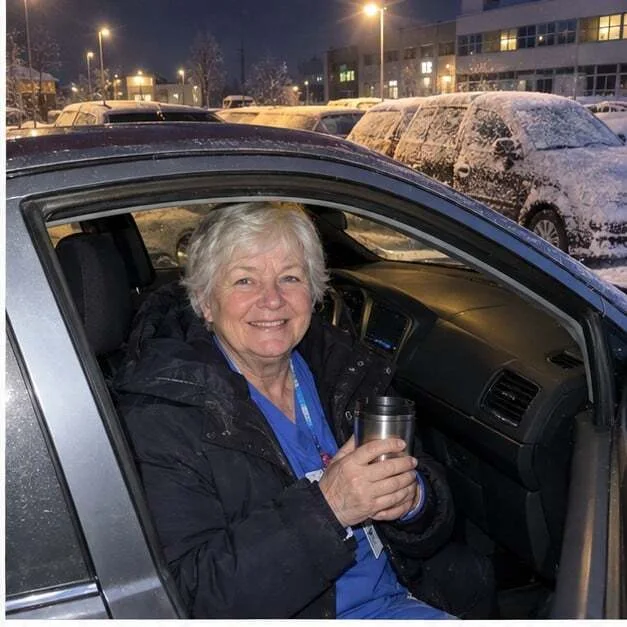
"My hands have ached every winter for years. Scraping had turned into a real ordeal every morning. Since IceWave, I just get in and go. I never thought something this simple could change the way my mornings start this much."
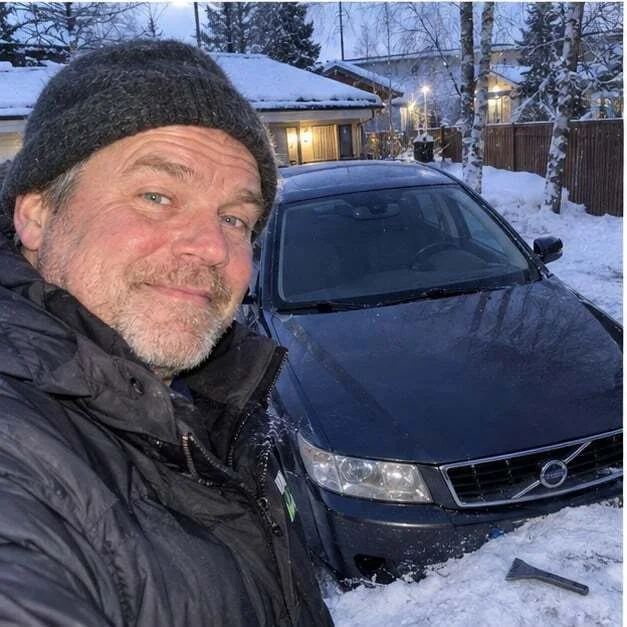
"My wife gave me IceWave for my birthday in October. I was polite about it, but honestly, I wasn't convinced. First freezing morning in November, there was nothing on the windshield. I texted her from the parking lot to apologize for doubting her."
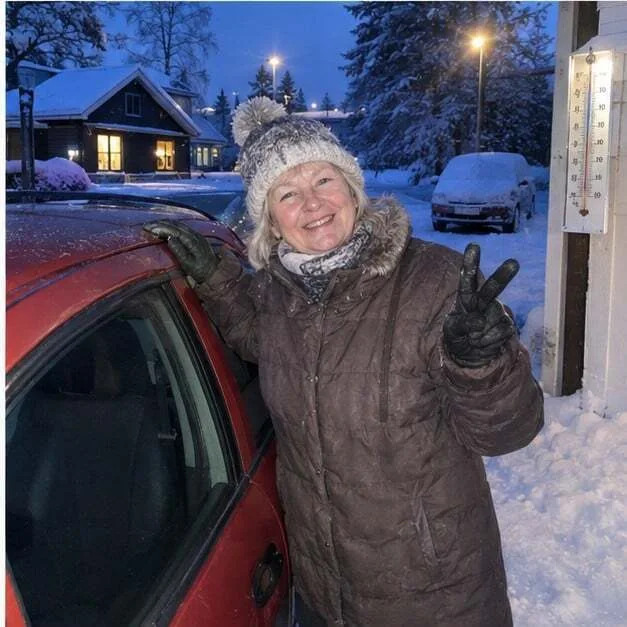
"In Fargo, we know what winter is. I've tried every spray, every cover, everything they sell at the gas station. Nothing ever really worked. IceWave is the first thing in 50 years that lets me get in my car in the morning without dreading what's waiting outside."
"I leave for work at 5:45 a.m. In January it's pitch dark and 5°F. Before IceWave I'd easily lose 15 minutes every morning. Now I spend that time on a quiet cup of coffee before I head out. Small thing to some people. Huge difference for me."
Fast shipping across the United States • Secure checkout • 90-day satisfaction guarantee
Why you should act now
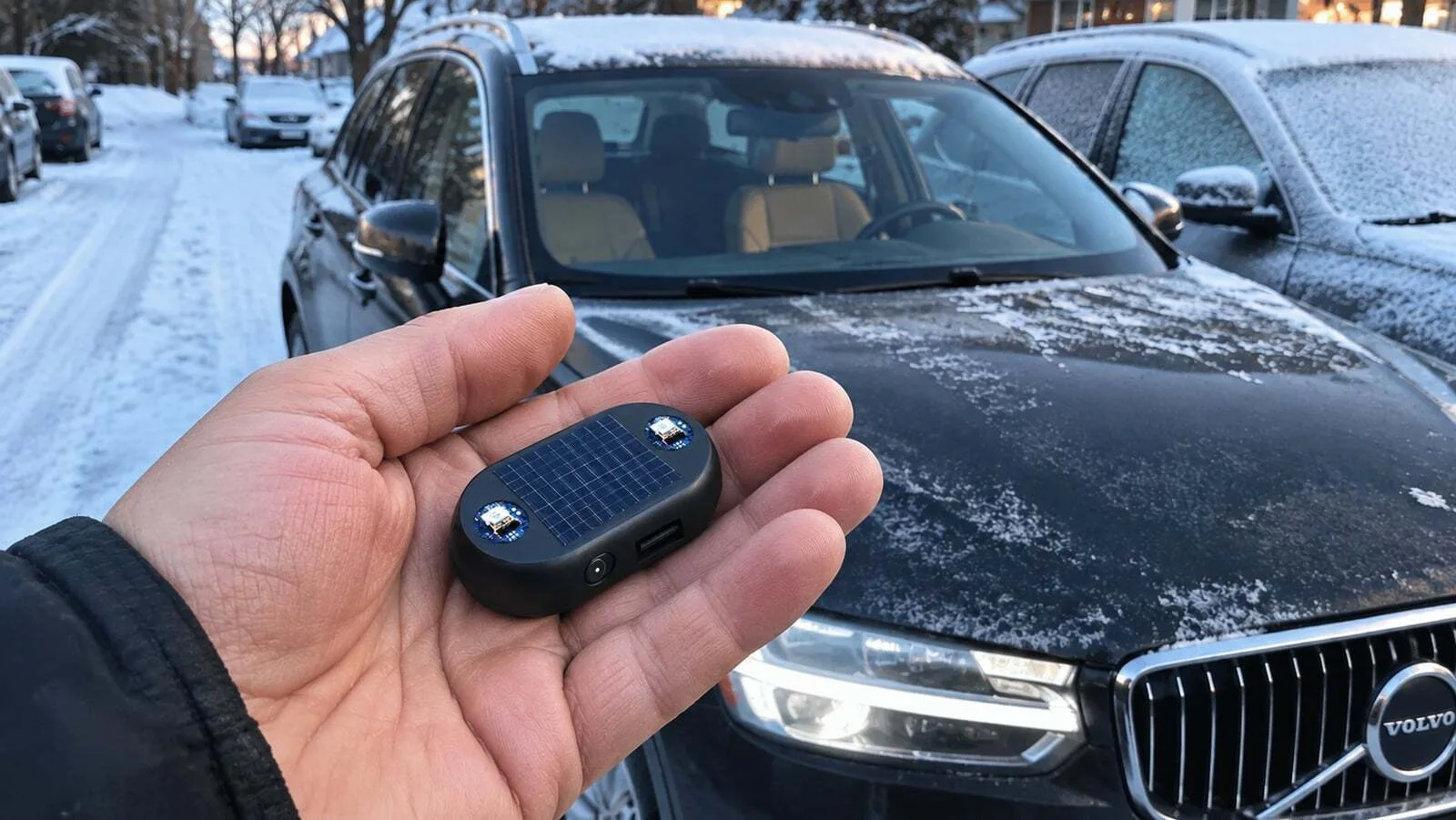
Since IceWave launched across the northern states, demand has blown past every forecast.
Erik Halvorsen didn't start some big corporation. He runs a small production team in Alaska, and stock is limited every season. Winter comes fast. And this year, orders started coming in back in September.
Right now, readers of this article get a 70% launch discount.
This isn't a permanent offer. It's reserved for the first orders of the season, before stock runs out. Last year, IceWave sold out by mid-December. Orders placed after that didn't ship until spring.
A northern winter without an ice scraper. Without frozen hands. Without running late. Without an icy driveway under your feet at 7 a.m. For the price of dinner for two.
Linda Harper ordered IceWave on a Friday evening in October. The following Monday morning, she was sitting in her car with a hot cup of coffee, ready to go.
Erik Halvorsen wonders the same thing.
⚠ Stock is likely to sell out before mid-December
Advertisement. This page is a paid advertisement, not a news article. The people, stories and statements on this page are fictional and were created to illustrate how the product is used. Figures shown are approximate. Results may vary depending on the user and conditions.
Privacy PolicyTerms and ConditionsShipping PolicyReturns and RefundsContact Us